Post
Biophilic Design Home: How to Connect Your Space with Nature
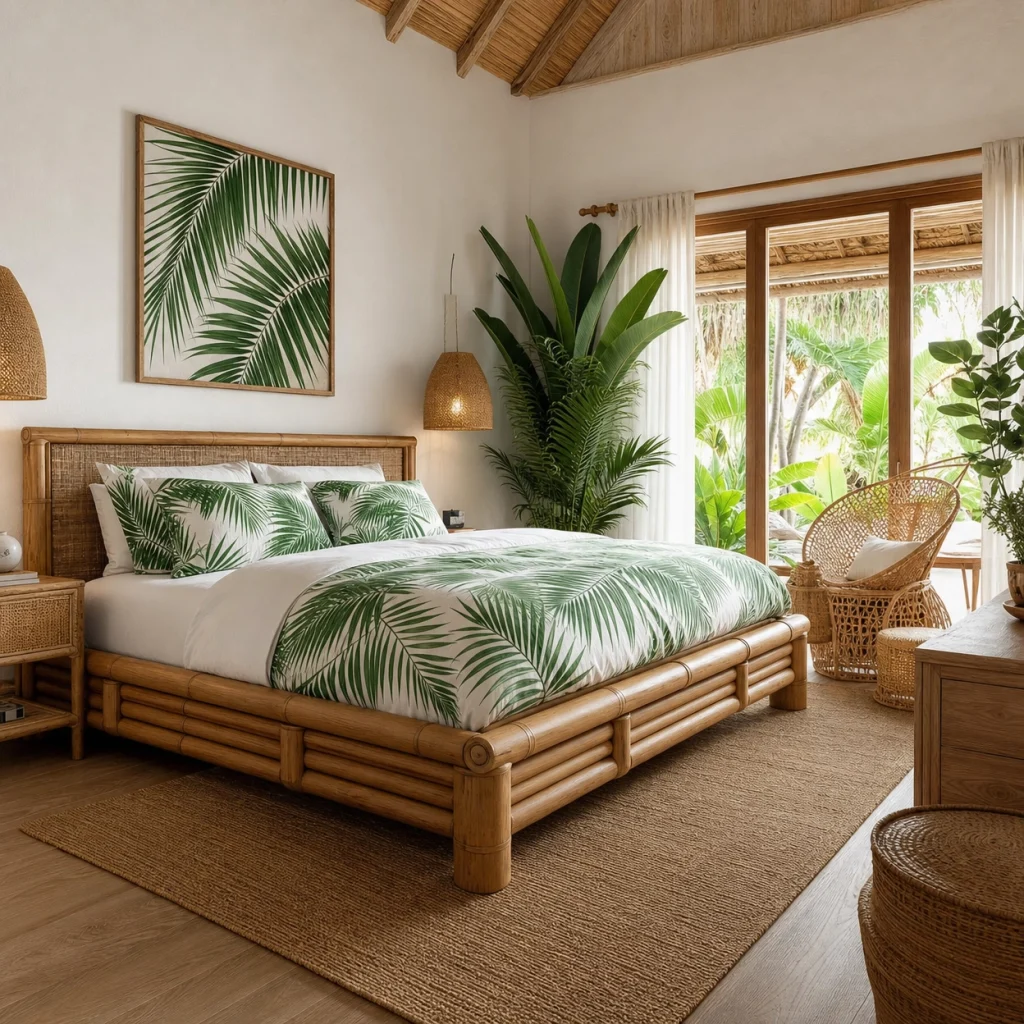
May
Biophilic Design Home: How to Connect Your Space with Nature
Welcome to the ultimate guide on transforming your living space. In the rapidly evolving world of interior design, understanding how to properly implement Biophilic Design Home is no longer just a fleeting trend—it is a fundamental aspect of creating a home that deeply reflects your true personality and lifestyle. Your living environment has a profound and immediate impact on your daily mood, your psychological well-being, and your overall productivity. When you intentionally design a space using highly curated principles, you elevate your home from a mere physical shelter into a personalized, restorative sanctuary.
Many people mistakenly assume that achieving a breathtaking, magazine-worthy interior requires hiring an expensive professional designer or possessing an unlimited luxury budget. However, the truth is that mastering Biophilic Design Home is primarily about understanding fundamental spatial mechanics, color theory, and intentional curation. As we dive deep into this comprehensive guide, we will uncover the transformative power of this specific decor style. You will learn exactly why top architects and interior stylists globally recommend this approach, how to implement it flawlessly into your own home regardless of square footage, and the critical design pitfalls you must avoid to ensure your space looks sophisticated, expensive, and beautifully cohesive.
Why Biophilic Design Home is Absolutely Essential for Your Space
Before you invest your valuable time, creative energy, and finances into revamping your home, it is crucial to understand the direct, tangible rewards of this specific aesthetic choice. Integrating Biophilic Design Home into your daily living environment provides far more than just surface-level beauty. Here are the top, expertly validated benefits you can expect to experience when you make this transition:
- Transformative Impact: Scientifically proven to drastically reduce human stress, lower blood pressure, and significantly improve daily cognitive function and focus. By addressing this fundamental aspect of interior living, you naturally elevate the comfort, flow, and high-end functionality of your entire home.
- Transformative Impact: Creates an environment that feels deeply, inherently right to the human brain by fulfilling our evolutionary need to connect with the natural world. By addressing this fundamental aspect of interior living, you naturally elevate the comfort, flow, and high-end functionality of your entire home.
- Transformative Impact: Vastly improves indoor air quality through the strategic, heavy integration of living plant walls and natural ventilation strategies. By addressing this fundamental aspect of interior living, you naturally elevate the comfort, flow, and high-end functionality of your entire home.
- Transformative Impact: Utilizes organic, sustainable materials that age beautifully over time, rather than degrading like cheap plastics and synthetics. By addressing this fundamental aspect of interior living, you naturally elevate the comfort, flow, and high-end functionality of your entire home.
- Transformative Impact: Blurs the harsh, artificial boundary between indoor architecture and the natural landscape outside your windows. By addressing this fundamental aspect of interior living, you naturally elevate the comfort, flow, and high-end functionality of your entire home.
Step-by-Step Guide: How to Curate and Style Biophilic Design Home
Execution is everything in interior design. Even the most expensive, bespoke, high-end decor pieces will look cheap and disjointed if they are not styled correctly within the context of the room. To achieve a truly professional, harmonious look with Biophilic Design Home, follow this precise, expert-approved methodology step-by-step:
- Actionable Step: Maximize your access to natural daylight by removing heavy, opaque curtains and keeping your windows completely unobstructed. Taking the time to execute this specific step guarantees that your aesthetic remains balanced, deliberate, and highly refined.
- Actionable Step: Incorporate a massive variety of indoor plants, not just in pots, but through living moss walls, hanging vines, and indoor trees. Taking the time to execute this specific step guarantees that your aesthetic remains balanced, deliberate, and highly refined.
- Actionable Step: Utilize materials that mimic the outdoors: use raw, unsealed woods, natural stone flooring, and textured, organic fabrics like raw silk or jute. Taking the time to execute this specific step guarantees that your aesthetic remains balanced, deliberate, and highly refined.
- Actionable Step: Introduce elements of water and sound; a small indoor water fountain or an aquarium adds dynamic, natural movement to the stagnant indoor environment. Taking the time to execute this specific step guarantees that your aesthetic remains balanced, deliberate, and highly refined.
Crucial Mistakes to Avoid When Decorating
The line between a stunningly designed room and a chaotic, stressful space is incredibly thin. When trying to master Biophilic Design Home, many enthusiastic beginners fall prey to common styling traps that ruin the final look. To protect the integrity of your interior design, avoid these severe blunders at all costs:
- Common Pitfall: Assuming biophilic design *only* means buying a lot of potted plants. True biophilia encompasses natural light, organic geometric shapes, natural airflow, and earth-toned color palettes. Avoiding this error allows your space to breathe, maintaining the elevated, luxurious aesthetic you are striving to achieve.
- Common Pitfall: Using fake, plastic plants. While they look green, fake plants do not purify the air and fail to provide the true psychological benefits of nurturing a living organism. Avoiding this error allows your space to breathe, maintaining the elevated, luxurious aesthetic you are striving to achieve.
- Common Pitfall: Trapping the space with harsh, artificial blue lighting and blocking natural window views with bulky, misplaced furniture. Avoiding this error allows your space to breathe, maintaining the elevated, luxurious aesthetic you are striving to achieve.
Frequently Asked Questions About Biophilic Design Home
We have gathered exclusive insights from top interior designers and architects to answer your most pressing questions regarding Biophilic Design Home. Understanding these nuanced details will dramatically improve your styling confidence.
- Q: How do I incorporate Biophilic design if I have no windows?
A: Use ‘indirect’ biophilia. Use full-spectrum LED grow lights that mimic the sun, play ambient nature sounds, and use wallpapers or massive art pieces depicting lush forests or moving water. - Q: What shapes are used in Biophilic design?
A: Avoid harsh, sharp, 90-degree angles. Use furniture with soft, flowing, organic curves, mimicking the shapes of river stones, leaves, and rolling hills.
Deep Dive: The Psychology and Architecture Behind Biophilic Design Home
To truly master Biophilic Design Home, one must delve into the complex, fascinating intersection of architectural layout and environmental psychology. Interior design is not merely about placing beautiful objects into an empty room; it is about managing the invisible flow of human energy, manipulating natural and artificial light, and establishing a profound sense of visual rhythm throughout the house. Every single texture you introduce—be it the raw, tactile weave of a natural linen curtain, the cold, sleek reflection of a polished metal accent, or the organic, grounding presence of natural wood grain—creates a distinct psychological response in the human brain
. When styling your home, it is imperative to utilize the principle of ‘visual weight.’ Some items, despite being physically light, carry an immense visual heaviness due to their dark colors or intricate, overwhelming patterns. Balancing this visual weight across the horizontal and vertical planes of your room ensures that the space feels stable, secure, and incredibly inviting to anyone who enters.
Furthermore, mastering color theory plays an absolutely monumental role in the successful execution of Biophilic Design Home. Colors are deeply tied to emotional resonance and physiological reactions. Cool tones such as muted sage greens, slate blues, and soft lavenders naturally recede from the eye, making cramped, tight spaces feel expansive, airy, and tranquil. Conversely, warm tones like terracotta, deep mustard, rich burgundy, and chocolate brown advance toward the eye, enveloping the room in a cozy, intimate embrace that feels incredibly safe.
By strategically manipulating these color temperatures, you can completely alter the perceived architectural dimensions of your living space without ever touching a sledgehammer. Coupling these advanced color strategies with a rigorous dedication to decluttering, hidden storage, and spatial organization will ensure that your home remains a pristine, magazine-worthy sanctuary for decades to come. Consistency is key; allow your personal style to evolve naturally, but always remain firmly rooted in the core, fundamental principles of balanced, highly functional design.
Final Thoughts and Design Summary
In conclusion, mastering Biophilic Design Home is a highly rewarding, creative journey that fundamentally enhances your daily quality of life. By strictly adhering to the professional styling techniques, recognizing the profound psychological impact of your environment, and fiercely avoiding common amateur mistakes, you will effortlessly create a space that is as deeply functional as it is stunningly beautiful. Embrace the creative process, trust your evolving aesthetic intuition, take bold design risks, and enjoy the beautiful, deeply personal sanctuary you have built. link . site
